workplace toxicity lead to constructive dismissal
Workplace toxicity can create an environment so unbearable that employees feel forced to resign, raising the question of whether such conditions can amount to constructive dismissal. Constructive dismissal occurs when an employer’s actions or workplace environment fundamentally breach the terms of employment, making it impossible for an employee to continue working under those conditions. Understanding how toxic behaviors—such as harassment, discrimination, or undue pressure—intersect with legal protections is crucial for employees seeking remedies.
One of the first signs that workplace toxicity may constitute constructive dismissal is a sudden or sustained change in job responsibilities, workload, or reporting structure without consultation. Employees who experience these shifts often find themselves performing tasks outside their original role or under significantly more stress. Documentation of these changes, including emails, performance evaluations, and written instructions, is essential when building a case for constructive dismissal. Evidence showing that the changes were intentional or discriminatory can strengthen the employee’s position.
Another key factor is the impact of toxic behavior on an employee’s mental or physical health. Consistent exposure to bullying, harassment, or unreasonable demands can lead to stress, anxiety, or medical conditions that make continuing in the role untenable. Legal frameworks recognize that employers have a duty to provide a safe and healthy work environment. When this duty is breached, employees may have grounds to claim Constructive dismissal, particularly if attempts to address the behavior internally were ignored or dismissed.
Employees also have the right to seek resolution before resigning. Filing internal complaints, reporting harassment to HR, or requesting reasonable accommodations are steps that demonstrate a good-faith effort to resolve issues. If these steps fail, employees can then consider legal remedies. Maintaining detailed records of complaints and employer responses ensures that there is evidence of the employer’s inaction or negligence, which is critical when asserting a constructive dismissal claim.
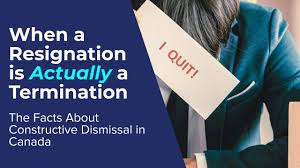
Can workplace toxicity lead to constructive dismissal?
Constructive dismissal cases involving workplace toxicity often intersect with disability issues. Employees with disabilities may face environments where their needs are ignored, accommodations are denied, or harassment targets their condition. Consulting a Disability lawyer for denied workplace accommodations can provide guidance on how to frame these claims. These lawyers are familiar with Ontario Human Rights Tribunal decisions, Supreme Court rulings, and administrative case law, which can help employees demonstrate that workplace toxicity and denial of accommodations contributed to a constructive dismissal scenario.
Employees are entitled to compensation if constructive dismissal is proven. This may include lost wages, benefits, and damages for mental distress caused by a toxic work environment. Legal counsel can help assess the value of the claim and advise on whether pursuing mediation, tribunal hearings, or civil litigation is most appropriate. Knowledge of past tribunal decisions and Ontario case law can significantly improve the chances of a favorable outcome, especially in cases that involve both workplace toxicity and disability-related discrimination.
It’s also important for employees to understand timelines and procedural requirements. Constructive dismissal complaints must be filed within specific statutory periods, and failure to act promptly can compromise the case. A lawyer can ensure all submissions meet the necessary criteria and deadlines. Resources like htwlaw.ca offer insights into the latest tribunal decisions, court rulings, and legal strategies that employees can use to protect their rights in cases of workplace toxicity and constructive dismissal.
Ultimately, workplace toxicity can indeed lead to constructive dismissal when the environment fundamentally breaches an employee’s terms of employment or fails to accommodate their legal rights. By documenting evidence, seeking legal guidance, and understanding both employment and disability protections, employees can take informed steps to address these challenges. Recognizing the signs early and consulting a lawyer experienced in disability and employment law is essential for securing fair remedies and preventing further harm.